Together, we rise.
Organized, we thrive.
We face a triple crisis




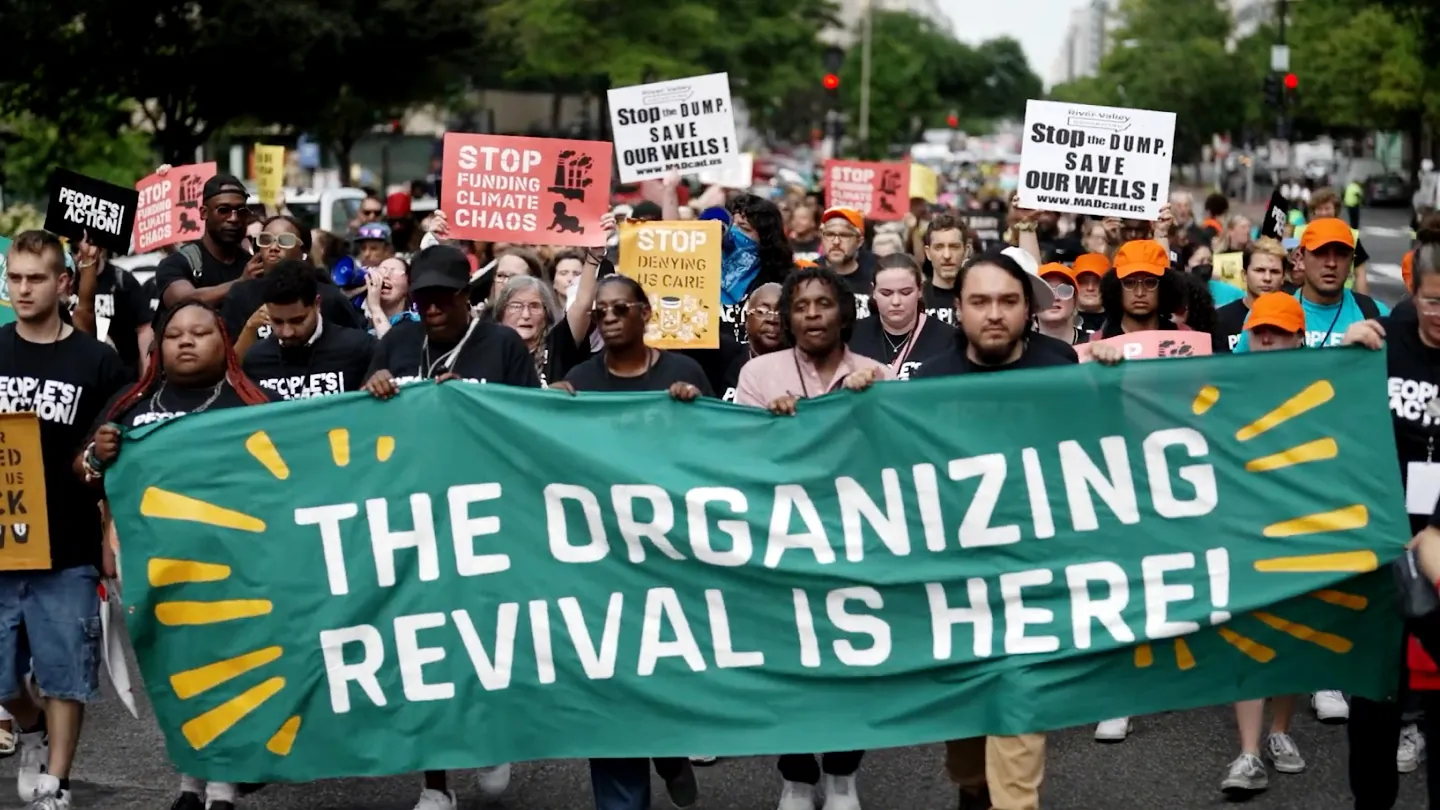
The Organizing Revival is here!
About Us
People’s Action builds the power of poor and working people in urban, rural, and suburban areas to win change through issue fights and elections. We are a national network of 40 state and local grassroots power-building organizations in 29 states, united in the work of building a bigger “we.”
Nine grassroots organizing networks came together in 2016 to form a powerful national organization with more than a million members to fight for our communities and win. Over five decades, we have won material improvements for the lives of millions of people, with victories that include the Community Reinvestment Act, Superfund, the Affordable Care Act, the Dodd-Frank Financial Reform Act and the MAT Act.
How we fight
These are our topline projects and campaigns that relate directly to how we drive the change we aim for. Check them out.






How we fight
People’s Action organizes around the issues that matter most to our members. Here are some of our priorities.


How we win
To build a diverse and inclusive democracy that reflects the voices of all, we emphasize community-driven, power-building initiatives. The Organizing Revival is our effort to strengthen the movement for social justice with the best practices of community organizing so we can build a multiracial democracy that works for all of us, combat authoritarian overreach, and find solutions to the crises we face.
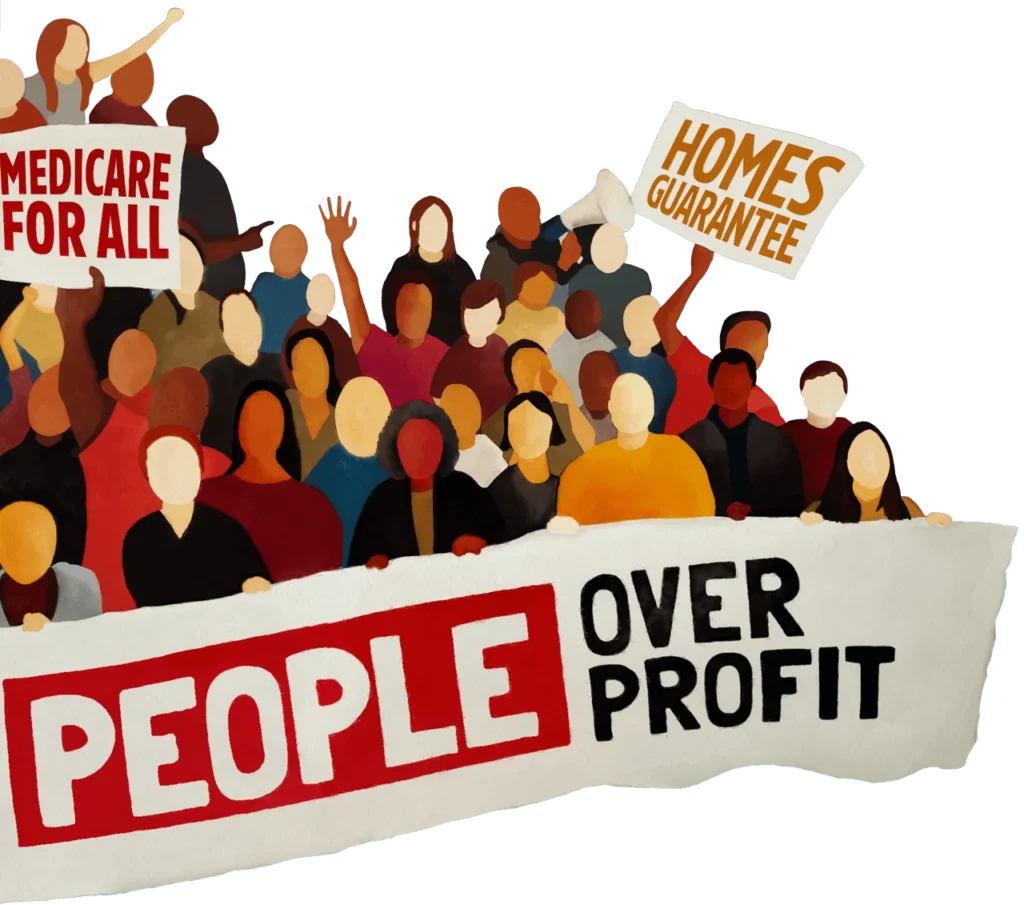
Things you don’t want to miss
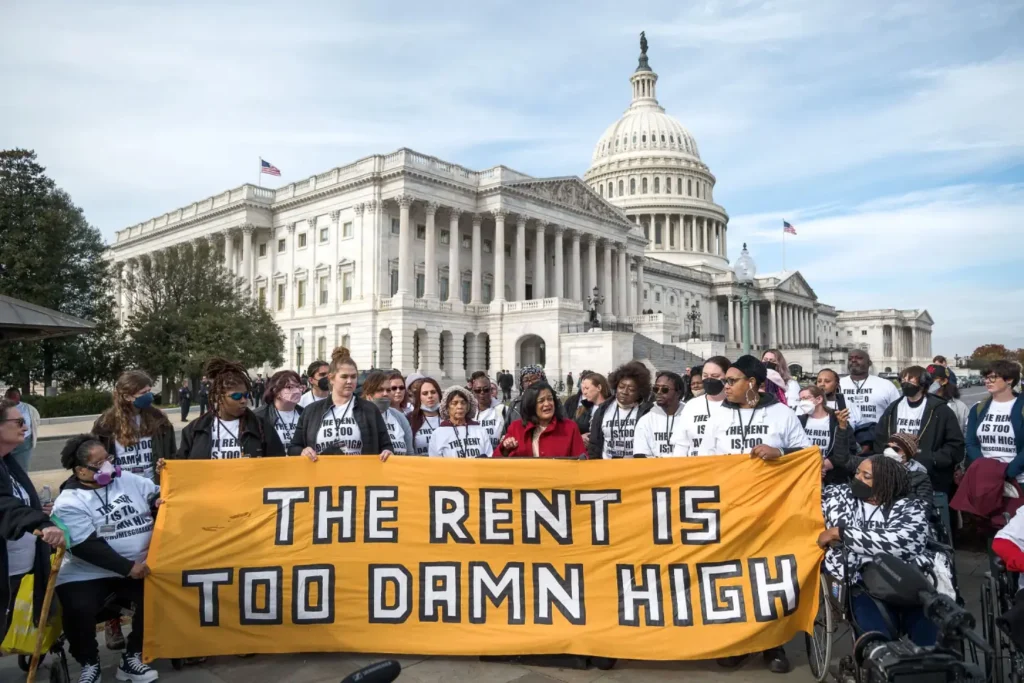
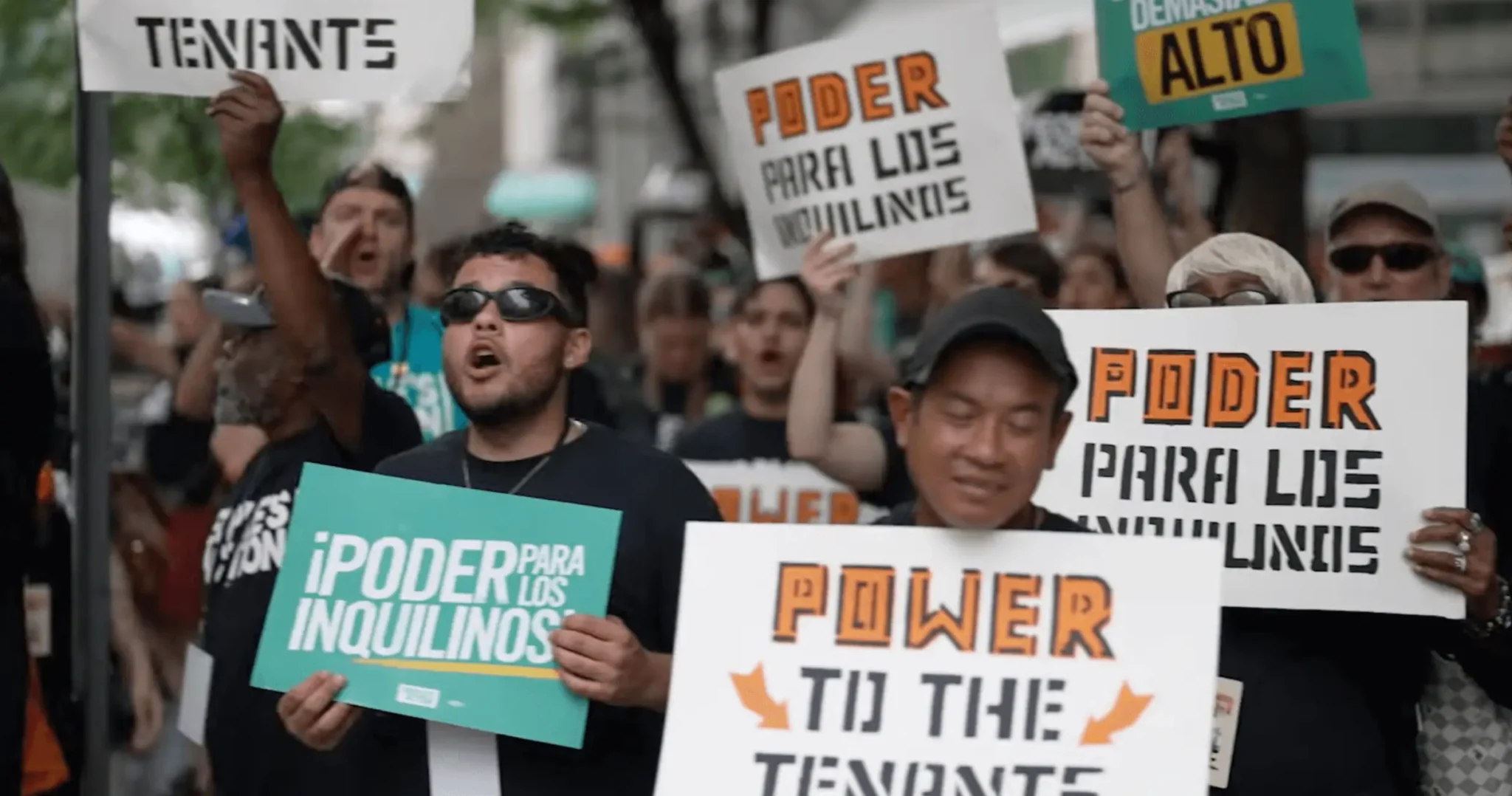
Priced Out and Fed Up, Tenants Demand a National Renters Bill of Rights
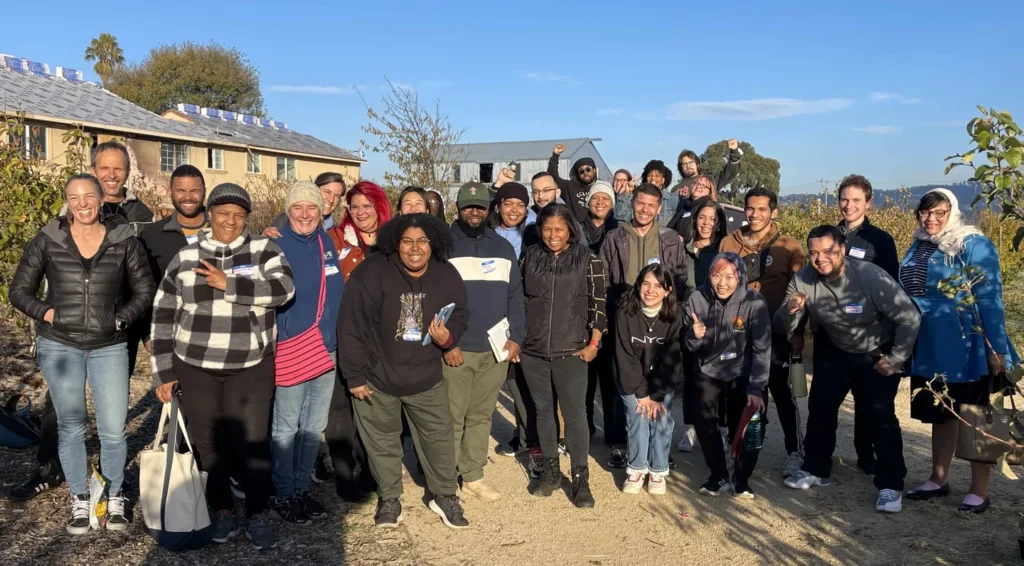
Training Is How We Transform Society
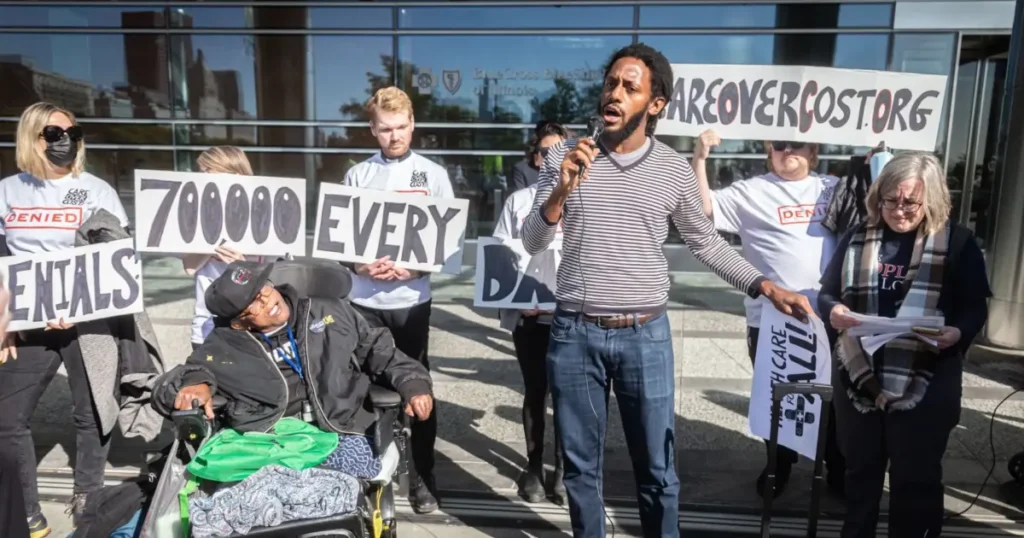
Sick and Tired of Industry Greed, Activists Across US Target For-Profit Health Insurers
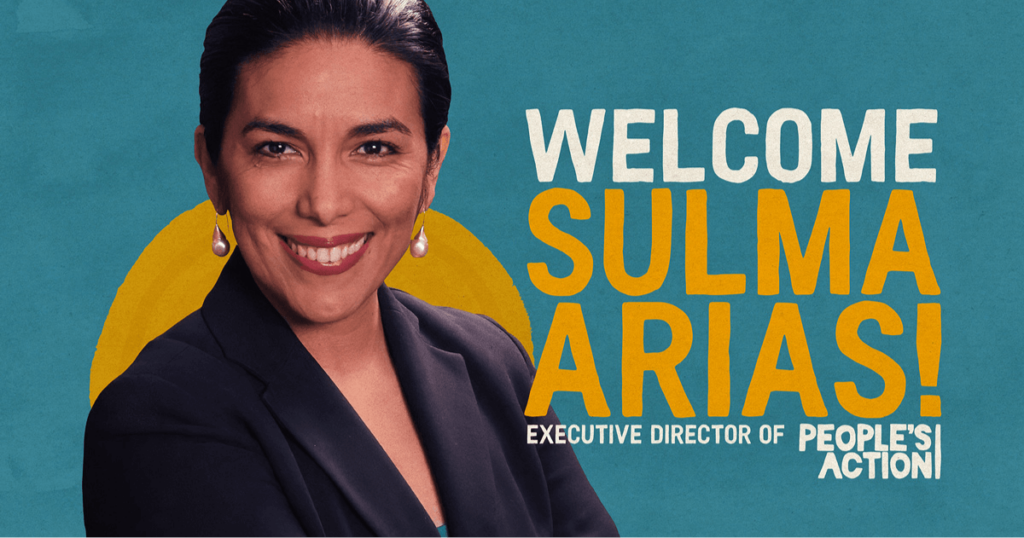
People’s Action Welcomes New Executive Director: Sulma Arias
The latest from people’s action
Organizing Beat Back Corporate Greed in Medicare Advantage Rate Hike
People’s Action on SOTU: Organizing is the Answer
Outrageous, Inhumane Immigration Deal Betrays Biden’s Base
Common Dreams – Amid ‘Slow-Motion Coup,’ Manchin and Sinema Help GOP Sink Voting Rights
The Nation – What Should the Left Do About China?
WaPo – What a Progressive Champion from Rural Maine Can Teach Democrats About Winning